The power of materials and textures in shaping atmosphere
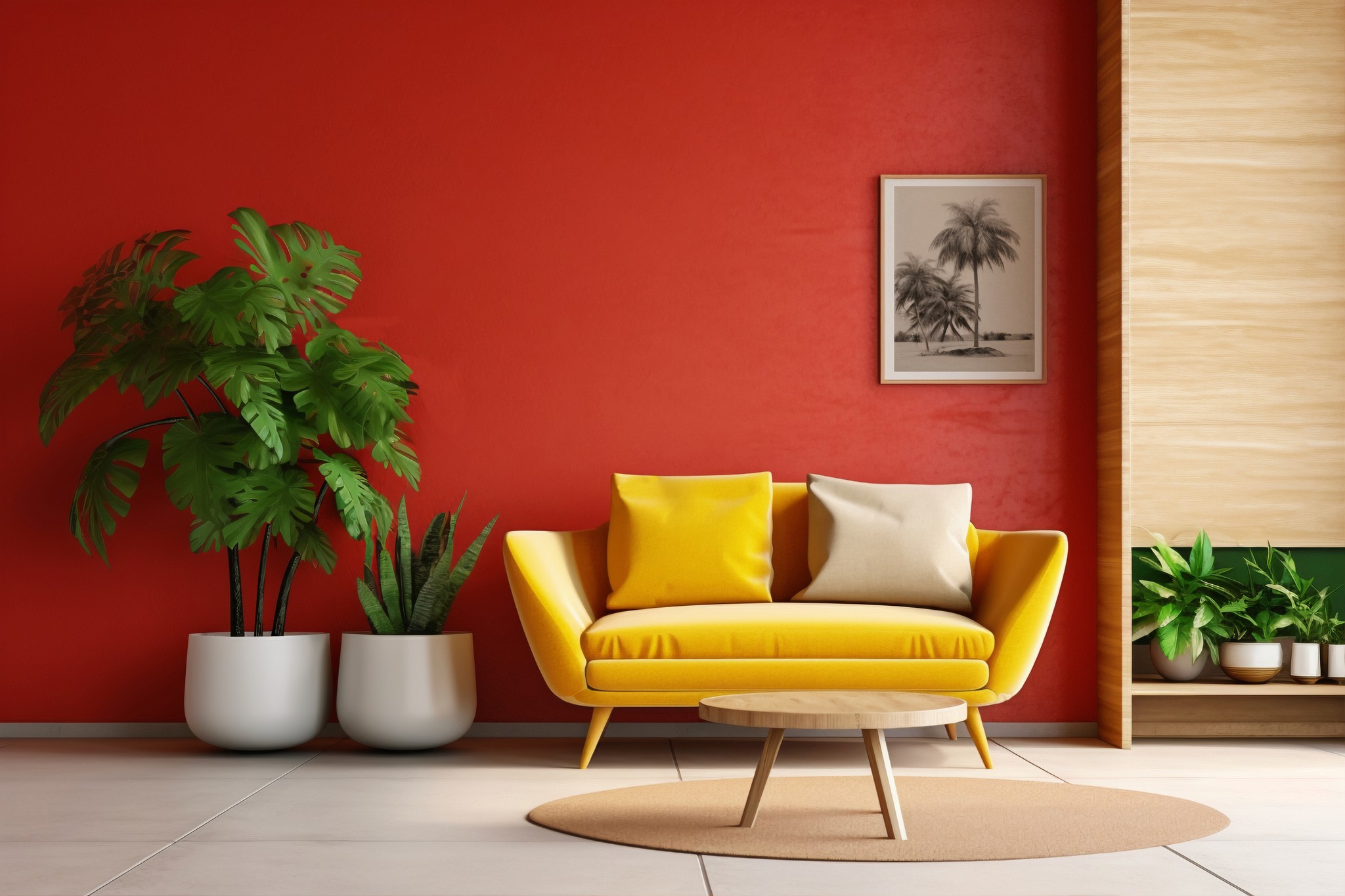
Natural materials and layered textures create depth, warmth, and emotion, shaping a room’s character and enhancing the overall sensory experience.

Lucas Bennett
Lead Designer
Blog content
In interior design, materials and textures play a transformative role in defining how a space feels. Beyond visual beauty, they influence mood, comfort, warmth, and the overall character of a home. The right combination of textures can turn a plain room into a rich, emotionally engaging environment.
Homeowners today are embracing materials that add depth, authenticity, and a sense of connection to nature.
Natural materials that bring warmth
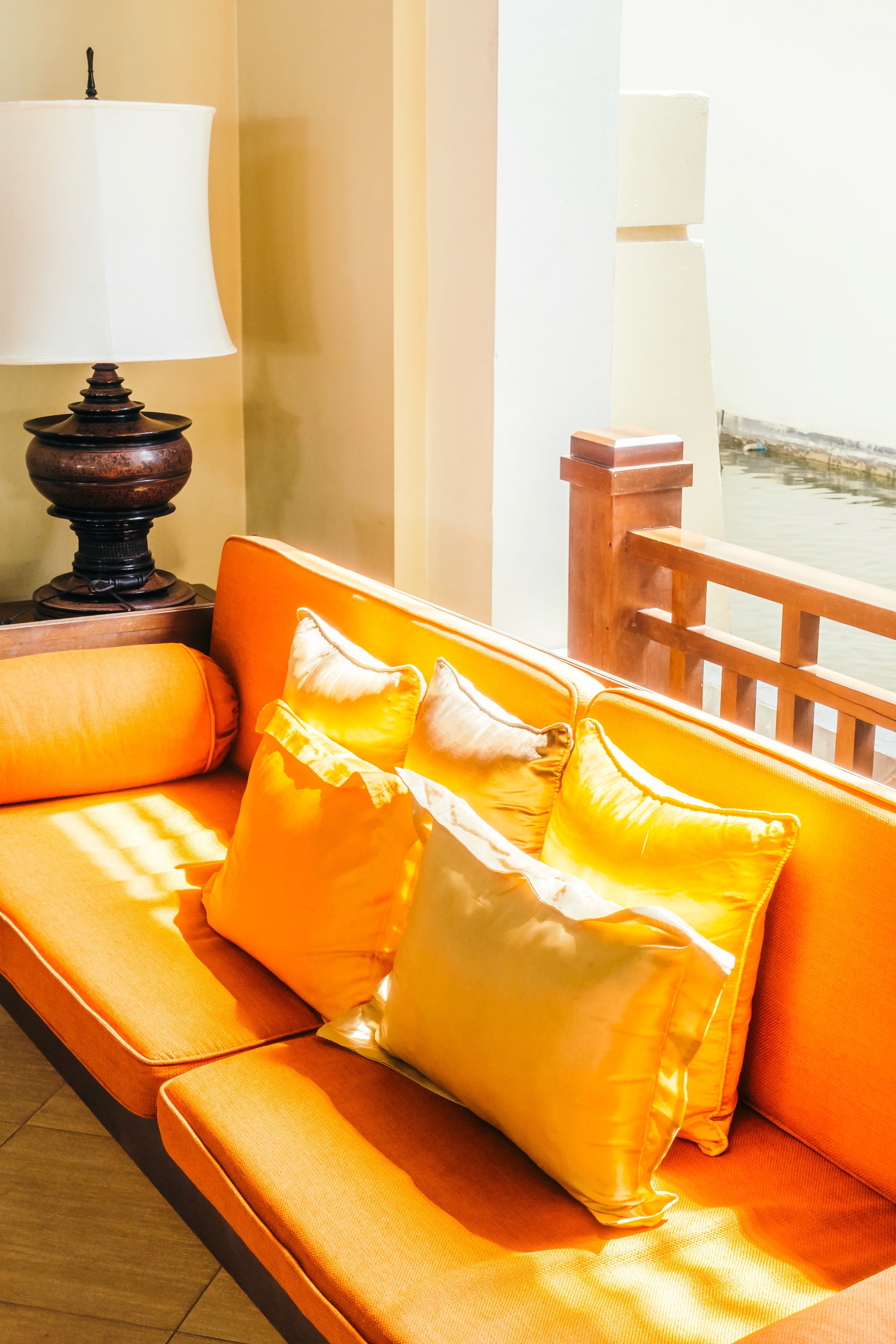
Wood, stone, linen, rattan, and clay are timeless choices that immediately make spaces feel grounded and inviting. These materials introduce warmth and natural charm, creating interiors that feel lived-in rather than overly polished.
Natural finishes also age beautifully, adding a layer of personality over time.
Soft textures that soothe the senses
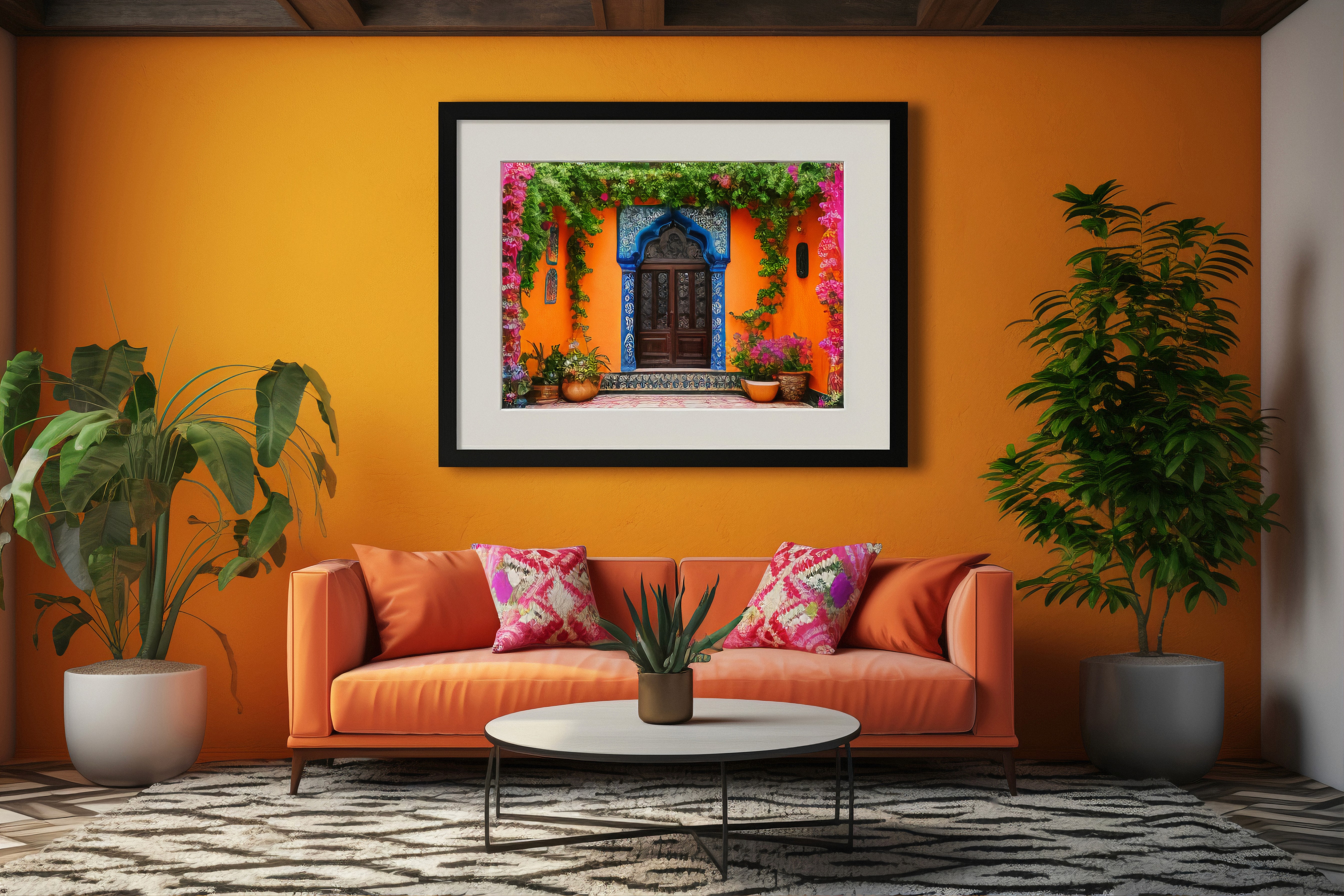
Soft textures like plush fabrics, wool throws, cushioned seating, and woven rugs help create a calming, comfortable atmosphere. These elements introduce a sense of softness that promotes relaxation and emotional ease.
When combined with neutral palettes, soft textures turn even minimal spaces into cozy retreats.
Contrast that adds depth and dimension
Textures come alive when contrasted effectively. Pairing smooth with rough, matte with glossy, or soft with structured creates visual interest and depth. This balance prevents a space from feeling flat or monotonous.
Thoughtful contrast adds layers, making the atmosphere feel richer and more dynamic.
Materials that influence light and mood
Certain textures reflect light, while others absorb it—shaping the ambiance of a room. Glossy surfaces brighten spaces by bouncing light, while matte and porous materials create a softer, more intimate mood.
Understanding this balance helps create interiors with the desired emotional tone.
The emotional impact of touch
Textures engage the sense of touch, making spaces feel more immersive. Whether it’s the smoothness of polished wood or the softness of a woven blanket, tactile elements evoke emotional responses that strengthen your connection to a space.
This is why materials are often considered the “emotional language” of interior design.
Key Notes
The foundation of modern comfort
Natural materials that add warmth and authenticity
Soft textures that enhance comfort
Contrasting surfaces that create depth
Light-responsive materials for mood-setting
Tactile elements that build emotional connection
Timeless finishes that age gracefully
Conclusion
Materials and textures have the unique ability to shape atmosphere, influence emotions, and define how a home feels. By blending natural elements, soft textiles, and thoughtful contrasts, homeowners can create interiors that are visually rich, emotionally comforting, and deeply expressive.
A well-curated mix of textures doesn’t just enhance a room—it transforms the entire living experience.
" transform="translate(8.125 8.125)" width="1px"/><path d="M 0 0 L 15 0" fill="transparent" height="1px" id="sZDBogO80" stroke-dasharray="" stroke-linecap="round" stroke-linejoin="round" stroke-width="1.25" stroke="rgb(255, 255, 255)" transform="translate(2.5 8.125)" width="15px"/><path d="M 14.375 0 L 0.625 0 C 0.28 0 0 0.28 0 0.625 L 0 11.875 C 0 12.22 0.28 12.5 0.625 12.5 L 14.375 12.5 C 14.72 12.5 15 12.22 15 11.875 L 15 0.625 C 15 0.28 14.72 0 14.375 0 Z" fill="transparent" height="12.5px" id="AoFKEotBp" stroke-dasharray="" stroke-linecap="round" stroke-linejoin="round" stroke-width="1.25" stroke="rgb(255, 255, 255)" transform="translate(2.5 3.75)" width="15px"/></g></svg>)
" transform="translate(5.625 5.625)" width="8.75px"/><path d="M 3.744 13.991 C 5.319 14.903 7.172 15.211 8.958 14.857 C 10.744 14.503 12.34 13.512 13.448 12.069 C 14.557 10.625 15.103 8.828 14.985 7.011 C 14.866 5.195 14.091 3.484 12.804 2.197 C 11.517 0.91 9.806 0.135 7.989 0.016 C 6.173 -0.103 4.375 0.443 2.932 1.552 C 1.488 2.661 0.497 4.257 0.144 6.043 C -0.21 7.828 0.098 9.681 1.009 11.257 L 0.032 14.175 C -0.005 14.285 -0.01 14.403 0.017 14.516 C 0.043 14.629 0.101 14.732 0.183 14.814 C 0.265 14.897 0.368 14.954 0.481 14.981 C 0.594 15.007 0.713 15.002 0.823 14.965 Z" fill="transparent" height="15.000045405054369px" id="IyftQN8Oe" stroke-dasharray="" stroke-linecap="round" stroke-linejoin="round" stroke-width="1.25" stroke="rgb(255, 255, 255)" transform="translate(2.501 2.502)" width="15.000709019803542px"/></g></svg>)